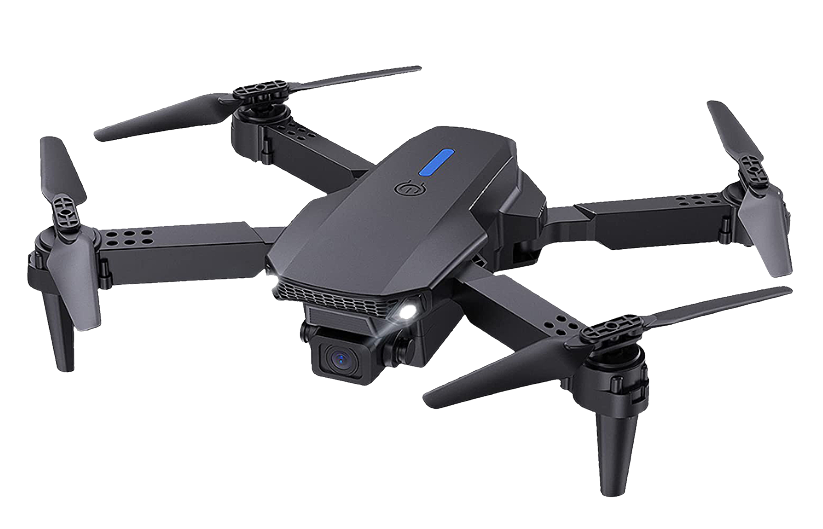
Fly the GW-1 legally and safely.
The United States has a clear set of rules for flying a small unmanned aircraft. We’ve written them out in plain English so you can fly the GhostWing GW-1 responsibly from the first flight. None of this is legal advice — always check the current FAA guidance for your situation.
Recreational flight vs. Part 107.
Every drone flight in US airspace falls into one of these two categories. The GW-1's takeoff weight of 249 g matters only on the recreational path; Part 107 rules apply regardless of weight.
Personal, non-commercial flight
The simplest path. Free, mostly online, and the right fit for hobby and family use.
- • Pass TRUST — free online safety test, carry the certificate when flying
- • Registration — optional for the GW-1 (249 g is under the 250 g threshold). $5 if you choose to register; covers all your recreational aircraft
- • Altitude — stay under 400 ft AGL
- • Line of sight — keep the aircraft visible at all times
- • Airspace — fly in uncontrolled (class G) airspace; use LAANC for low-altitude authorizations in controlled airspace
- • People & structures — avoid flying over people, moving vehicles, or critical infrastructure
- • No earnings — if a flight generates any income, you’re no longer recreational
Any non-recreational purpose
Required for paid photography, real-estate listings, inspections, social-media monetization, and anything else that isn’t purely for fun.
- • Remote Pilot Certificate — pass the in-person exam at an FAA-approved testing center (~$175)
- • Aircraft registration — required regardless of weight ($5 per aircraft)
- • Remote ID — comply via built-in Remote ID, a broadcast module, or fly in a FRIA
- • Altitude — under 400 ft AGL unless within 400 ft of a structure
- • Daylight or twilight by default; night flight allowed with appropriate anti-collision lighting
- • Visual line of sight at all times, by the pilot or a visual observer
- • Recurrent training — required every 24 months
Authoritative source: the FAA’s UAS guidance at faa.gov/uas. Rules are updated periodically — check the FAA site before your first flight after any extended break.
Pre-flight safety checklist.
A short list to run through before each flight session. Most drone incidents we hear about — battery surprises, propeller damage, accidental flights into restricted airspace — are caught by going through these items.
Lithium-polymer battery safety.
The GW-1 uses a 7.4 V 1,800 mAh lithium-polymer (LiPo) battery. Treated reasonably, it’s safe; mistreated, LiPo batteries are the most common drone-related hazard.
- • Charge only with the included USB-C charger or a comparable 18 W USB-C source
- • Charge on a hard, non-flammable surface (a tile floor or a charging tray, not a bed or couch)
- • Don’t leave a charging battery unattended overnight
- • Stop charging if the battery feels hot, swells, or smells
- • Short-term: charge fully, store at room temperature
- • Long-term (> 2 weeks): charge to about 50% and store cool and dry
- • Never store below 32 °F (0 °C) or above 104 °F (40 °C)
- • Keep batteries in the carry case, not loose in a backpack
- • A swollen or visibly damaged battery is end-of-life — stop using it
- • Discharge a retired battery in salt water for 24 hours before disposal
- • Recycle through a lithium-battery drop-off (Call2Recycle, Best Buy, Home Depot)
- • Do not place LiPo batteries in regular household trash
Things people ask before they fly.
If you fly strictly for recreation and the aircraft weighs 250 g or less at takeoff, recreational registration is optional. The GW-1 weighs 249 g with the standard battery, so a casual recreational flyer is not required to register. The moment you fly for any non-recreational purpose — paid photography, real estate, social-media posts that earn income, inspections for a business — you must register and operate under Part 107, regardless of weight.
TRUST is a free online safety test required for all recreational drone flyers in the United States, regardless of aircraft weight. The test takes about 20–30 minutes, is free, and produces a completion certificate you must carry (digital or printed) when flying. Several FAA-approved providers offer the test — links are on the FAA's UAS website (faa.gov/uas).
Part 107 is the FAA's regulation for non-recreational small unmanned aircraft operation. It requires a Remote Pilot Certificate (passed by exam at an FAA-approved testing center, about $175), aircraft registration ($5 per aircraft, online at FAADroneZone), and operation within a set of rules (under 400 ft AGL, daylight or twilight, visual line of sight, away from people). If you plan to use the GW-1 for any paid or business activity, plan on Part 107.
Several categories of airspace and locations are off-limits or restricted: controlled airspace around airports (typically class B, C, D, or E surface), military installations, National Parks, and temporary flight restrictions (TFRs) over events, fires, or VIP movements. The FAA's free B4UFLY app shows current restrictions at your GPS location and links to LAANC for low-altitude authorizations in controlled airspace.
Remote ID is an FAA requirement for most drones flown in US airspace. It's a periodic radio broadcast of the aircraft's location, the controller's location, and a unique identifier. Aircraft under 250 g flown strictly for recreation are exempt. If you fly under Part 107, you must comply with Remote ID via standard Remote ID built into the aircraft, a broadcast module, or a designated FAA Recognized Identification Area (FRIA).
Recreational flyers can operate at night if they follow the recreational rules and the aircraft displays anti-collision lighting visible for at least 3 statute miles. Part 107 operators may fly at night with appropriate anti-collision lighting and prior completion of the Part 107 small UAS training. The GW-1 has built-in navigation LEDs visible at night, but not at the 3-mile range required — for night flight, add a compliant anti-collision strobe.
We don’t give legal advice, but we’re happy to help you find the right FAA reference.
Email support@ghostwingofficial.com with “FAA question” in the subject line. Monday – Friday, 9:00 AM – 5:00 PM ET.